
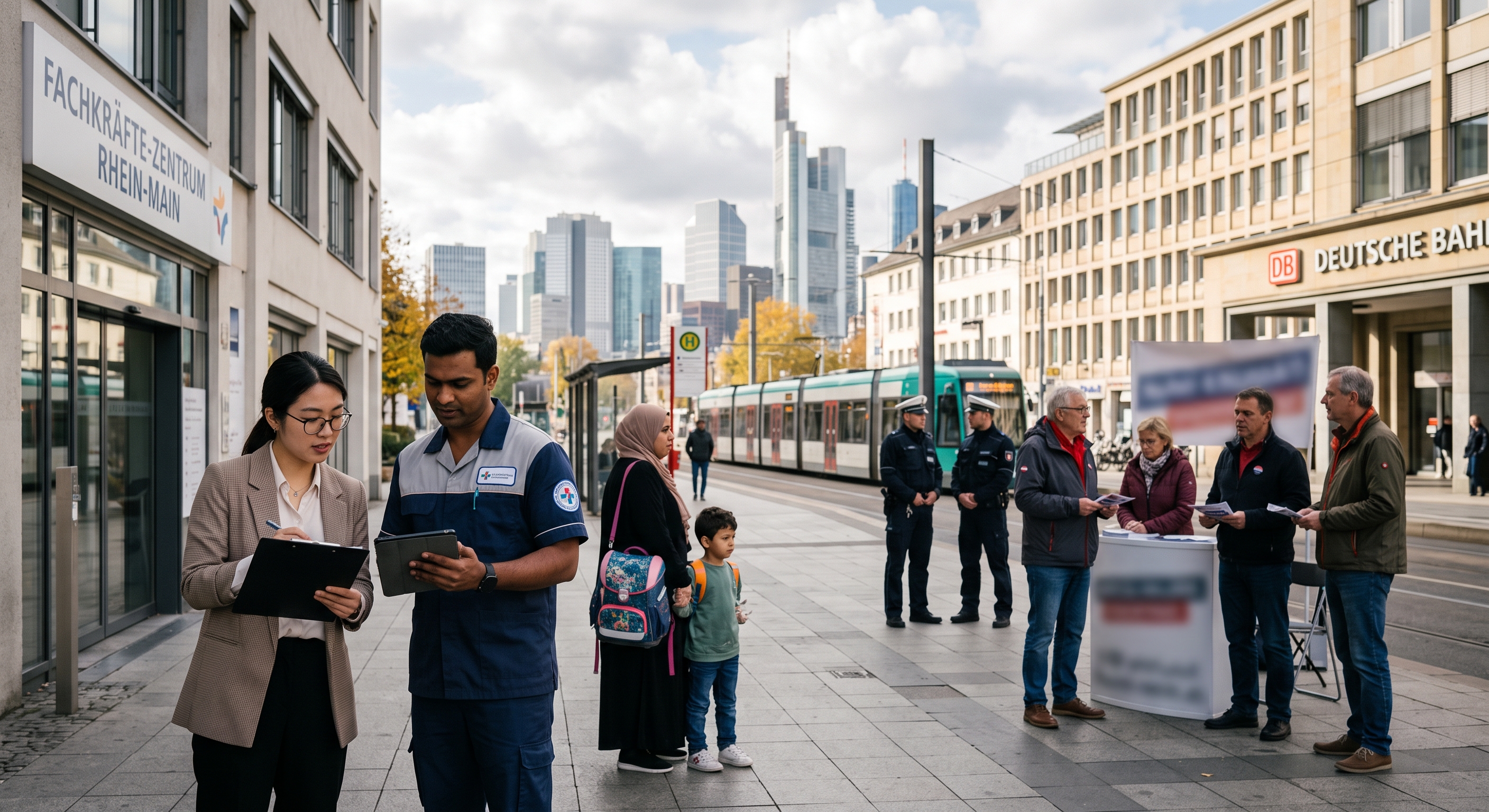
Immigration to Germany and the Rise of the AfD: A Realistic Perspective
Published on 2026-09-21 · By Ragab Elnaghi
The political landscape in Germany has shifted noticeably in recent years. Most prominent is the steady rise of the "Alternative for Germany" (AfD) party, which has achieved significant gains in polls and state elections. This trend naturally raises concerns among immigrants and people planning to move to Germany regarding their future, job security, and legal status.
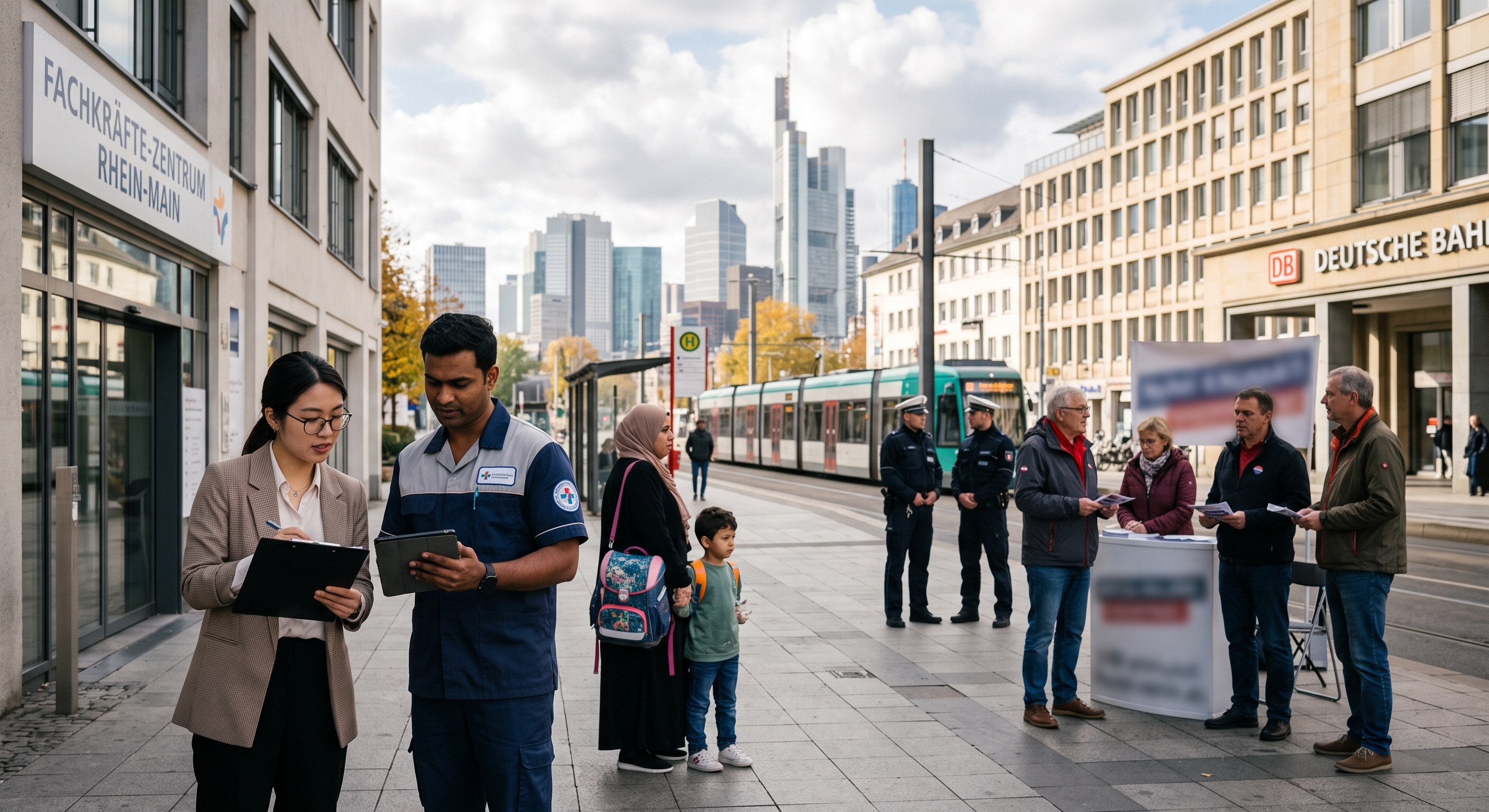
To understand the situation clearly, one must separate media headlines from reality and distinguish between two distinct issues: the debate over irregular migration and the vital need for legal, skilled immigration.
1. What is the Core Focus of the AfD's Immigration Stance?
Similar to many conservative movements across Europe, the primary focus of the AfD's rhetoric centers on irregular migration and border control. Their criticism is mostly directed at unmonitored entries and the fact that individuals who are legally required to leave the country often remain.
The mainstream debate is not about shutting the country off entirely from the outside world. Instead, it revolves around how local communities, schools, and public services can manage integration effectively. People who reside in Germany legally—such as skilled workers, university students, and professionals who pay taxes and respect the law—are not the primary target of daily policy conflicts; they are widely recognized as an essential and valuable part of society.
2. The Demographic Reality: Germany Needs Skilled Workers
Beyond partisan politics, the German state faces an undeniable economic challenge: an aging population and severe labor shortages (Fachkräftemangel).
Official economic reports consistently emphasize that Germany requires hundreds of thousands of qualified international workers annually to keep pension systems sustainable and maintain vital sectors—including healthcare, nursing, engineering, IT, and skilled trades. Consequently, it is in Germany’s strategic national interest, regardless of which coalition forms the government, to attract qualified talent and provide stable long-term prospects.
3. Legal Reforms: Clear Channels and Structured Opportunities
Demonstrating this commitment, the German legislature has introduced progressive immigration reforms in recent years:
The Skilled Immigration Act (Fachkräfteeinwanderungsgesetz) and the introduction of the Opportunity Card (Chancenkarte).
Streamlined paths to citizenship, including the acceptance of dual nationality for well-integrated residents.
These measures clearly demonstrate that the government seeks to regulate and encourage legal, merit-based immigration rather than halt it.
4. Is There Any Cause for Concern?
Germany remains a resilient constitutional democracy anchored in the rule of law. The Constitution (Grundgesetz) and independent courts equally safeguard the rights of everyone living legally within its borders. The electoral success of individual parties reflects ongoing domestic policy debates, but it does not dismantle the constitutional framework or employment rights overnight.
The fundamental formula for thriving in Germany remains unchanged: learn the language, adhere to local laws, and maintain legal employment. Those who take this path build a secure, legally protected, and successful future.